

Why Digital Nomads Are Flocking to Offbeat European Destinations (2026 Guide)
Discover why digital nomads in 2026 are choosing lesser-known European destinations over traditional hotspots. Explore affordable cities, visa options, lifestyle perks, and hidden gems across Europe.
PLACES RECOMMENDATIONSDIGITAL NOMAD TIPS
Zoi Kotsou
1/18/20263 min read
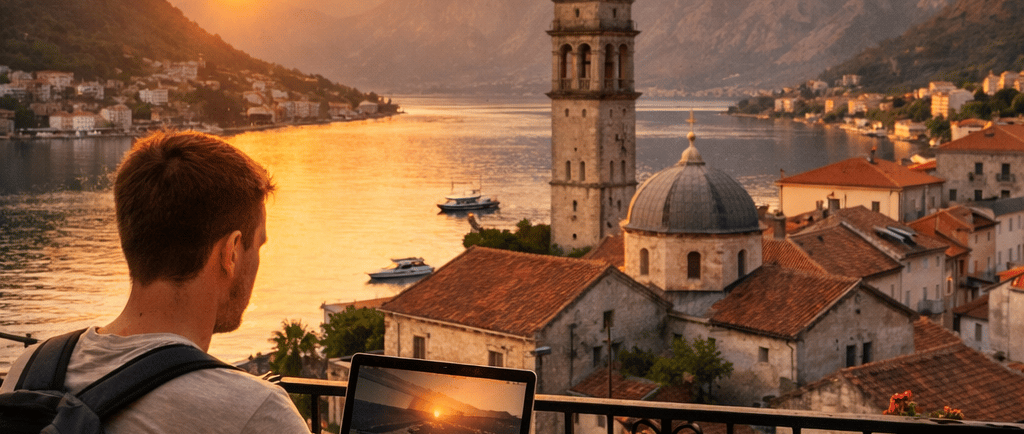
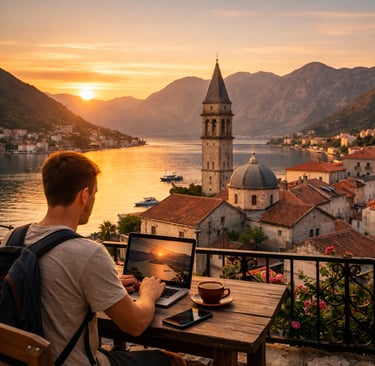
In 2026, digital nomads are looking beyond the usual European hotspots like Lisbon, Barcelona, and Berlin. Rising living costs, overcrowding, and stricter local regulations have prompted remote workers to seek fresh alternatives.
The result? A surge of interest in offbeat European destinations, smaller cities and under-the-radar towns offering affordability, strong Wi-Fi, vibrant communities, and exceptional quality of life.
Here’s why digital nomads are flocking to Europe’s hidden gems in 2026, and where they’re heading next.
1. Rising Costs in Traditional Nomad Hubs
For years, cities like Lisbon and Barcelona were considered digital nomad paradises. But soaring rents, increased tourism, and government pushback against short-term rentals have shifted the landscape.
In 2026, many nomads are choosing lesser-known cities where:
Rent is 30–50% cheaper
Coworking spaces are more accessible
Cafés aren’t overcrowded
Locals are more welcoming
The shift isn’t about abandoning Europe’s classics — it’s about discovering sustainable alternatives.
👉 Related quiz: Digital Nomad Budget Calculator
1. Rising Costs in Traditional Nomad Hubs
For years, cities like Lisbon and Barcelona were considered digital nomad paradises. But soaring rents, increased tourism, and government pushback against short-term rentals have shifted the landscape.
In 2026, many nomads are choosing lesser-known cities where:
Rent is 30–50% cheaper
Coworking spaces are more accessible
Cafés aren’t overcrowded
Locals are more welcoming
The shift isn’t about abandoning Europe’s classics — it’s about discovering sustainable alternatives.
2. Digital Nomad Visas Are Expanding Beyond Major Capitals
Countries across Europe have introduced or expanded digital nomad visa programs, but many applicants are choosing smaller cities instead of capital hubs.
For example:
Portugal’s visa holders are settling in Porto and Braga rather than Lisbon.
Spain’s remote workers are exploring Valencia and Alicante over Barcelona.
Romania is gaining traction thanks to affordable living and fast internet.
Nomads are realizing they don’t need a capital city to build a thriving remote lifestyle.
3. Affordable Living Without Sacrificing Lifestyle
One of the biggest reasons digital nomads are choosing offbeat destinations is the balance between cost and quality of life.
Cities like:
Tbilisi
Cluj-Napoca
Valletta
Tallinn
offer reliable infrastructure, historic architecture, lively café culture, and strong expat communities — at a fraction of the price of Western Europe’s capitals.
Many nomads report monthly budgets between €1,200 and €1,800 while maintaining comfortable lifestyles, including private apartments and regular dining out.
👉 Read more: Affordable European Cities for Remote Workers
4. Stronger Community, Less Burnout
Major hubs can feel transactional. In smaller destinations, community forms more organically.
In cities like Ljubljana and Plovdiv, coworking spaces often double as community centers. Weekly meetups, hiking groups, and language exchanges create deeper social connections.
Digital nomads in 2026 aren’t just chasing cheap rent — they’re prioritizing:
Mental well-being
Work-life balance
Slower travel
Local cultural immersion
Smaller European cities make it easier to build routines without the constant churn of short-term visitors.
4. Stronger Community, Less Burnout
Major hubs can feel transactional. In smaller destinations, community forms more organically.
In cities like Ljubljana and Plovdiv, coworking spaces often double as community centers. Weekly meetups, hiking groups, and language exchanges create deeper social connections.
Digital nomads in 2026 aren’t just chasing cheap rent — they’re prioritizing:
Mental well-being
Work-life balance
Slower travel
Local cultural immersion
Smaller European cities make it easier to build routines without the constant churn of short-term visitors.
5. Nature + Urban Balance
Post-pandemic lifestyle shifts still influence travel decisions. Many remote workers now prioritize destinations that offer quick access to nature.
Offbeat cities often shine here:
Innsbruck for alpine adventures
Bologna for proximity to countryside and coast
Kotor for Adriatic views and hiking
Being able to close a laptop and reach mountains, beaches, or forests within minutes is a major lifestyle upgrade — and one that large capitals often can’t provide.
6. Better Internet Infrastructure in Unexpected Places
Eastern and Central Europe have some of the fastest and most affordable internet speeds globally. Cities like Bucharest and Riga consistently rank high for broadband performance.
For remote professionals working in tech, design, finance, or consulting, this is a decisive factor.
Stable internet + low rent + quality cafés = an easy decision.
7. A Shift Toward “Slow Nomadism”
The 2026 digital nomad is staying longer — often three to six months per destination.
Rather than ticking off bucket-list cities, remote workers are choosing places where they can:
Rent long-term apartments
Learn basic local language
Join sports or hobby groups
Integrate into daily life
Smaller European cities naturally support this slower rhythm.
Top Offbeat European Destinations for Digital Nomads in 2026
Here are some rising stars:
Tirana – Affordable, sunny, and improving infrastructure
Brno – Student energy with low living costs
Sarajevo – Rich culture and low rent
Vilnius – Compact, tech-friendly, and green
Porto – Coastal charm without Lisbon prices
Each offers a blend of culture, connectivity, and cost-efficiency that appeals to location-independent professionals.
Final Thoughts: The Future of Digital Nomadism in Europe
In 2026, digital nomadism in Europe is evolving. It’s less about Instagram-famous capitals and more about sustainability, affordability, and meaningful experience.
Offbeat European destinations offer:
✔ Lower living costs
✔ Strong internet infrastructure
✔ Better work-life balance
✔ Tighter communities
✔ Access to nature
For remote professionals seeking depth over hype, Europe’s hidden cities are becoming the obvious choice.
The question isn’t whether to explore beyond the usual hubs — it’s which underrated European city will become your next base.